Poultry Genetics

Discover Poultry Breeds

Explore our encyclopedia of chicken breeds. Learn about their traits, history, and how they fit into your farm.

Browse our curated library below to find the perfect addition to your flock.

High Yield

Primary Egg Layers

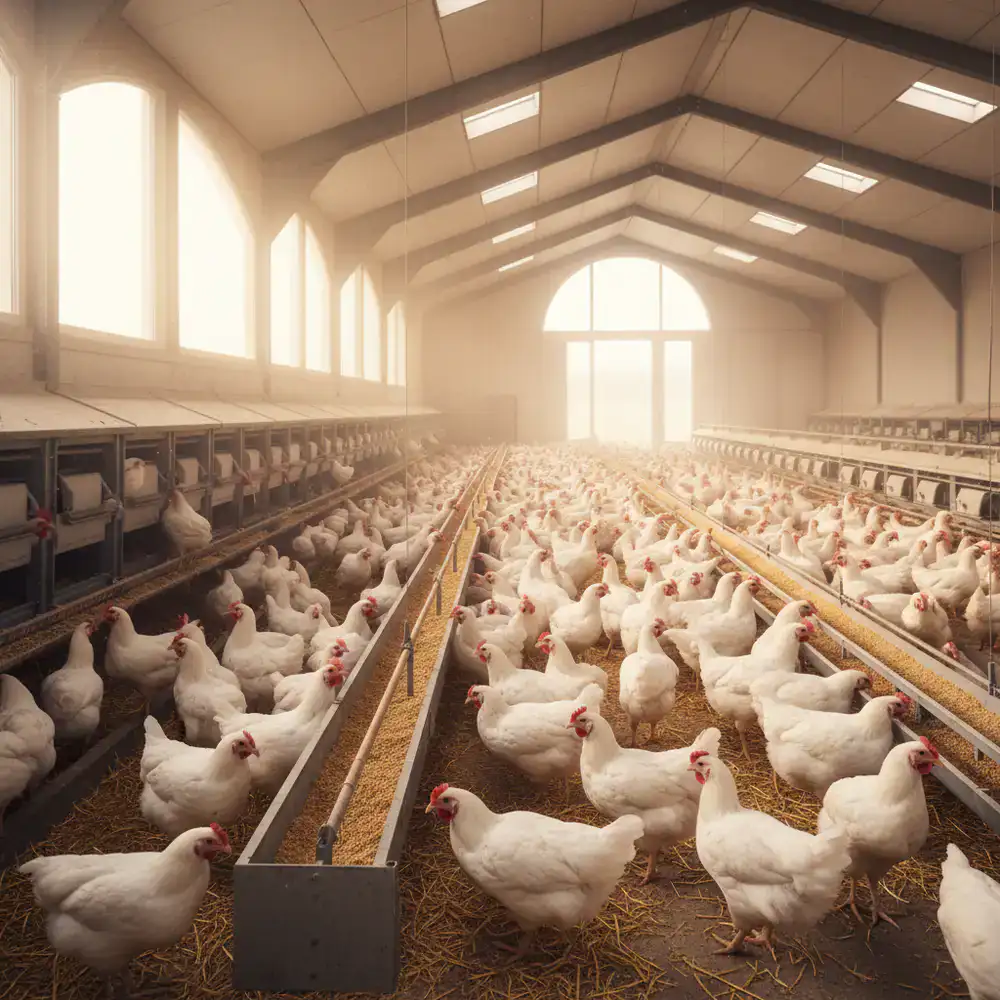
Flock of white laying hens in a barn

White Leghorn

Known for outstanding egg production, this breed is the standard for farm productivity. They are active birds that require mindful management and plenty of space to forage effectively. Their efficient feed-to-egg conversion makes them a top choice for focused egg operations.

Yield: ~280 eggs/year
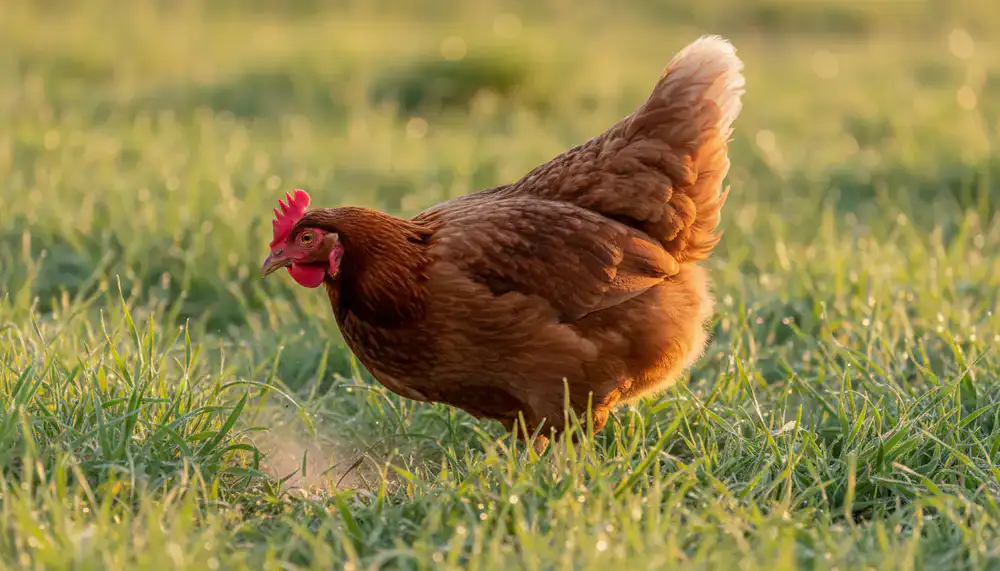
Brown laying hen foraging in grass

Brown Layers

Reliable and docile, these brown-egg layers integrate smoothly into mixed flocks and adapt exceptionally well to seasonal changes and varied diets.

Yield: ~250 eggs/year
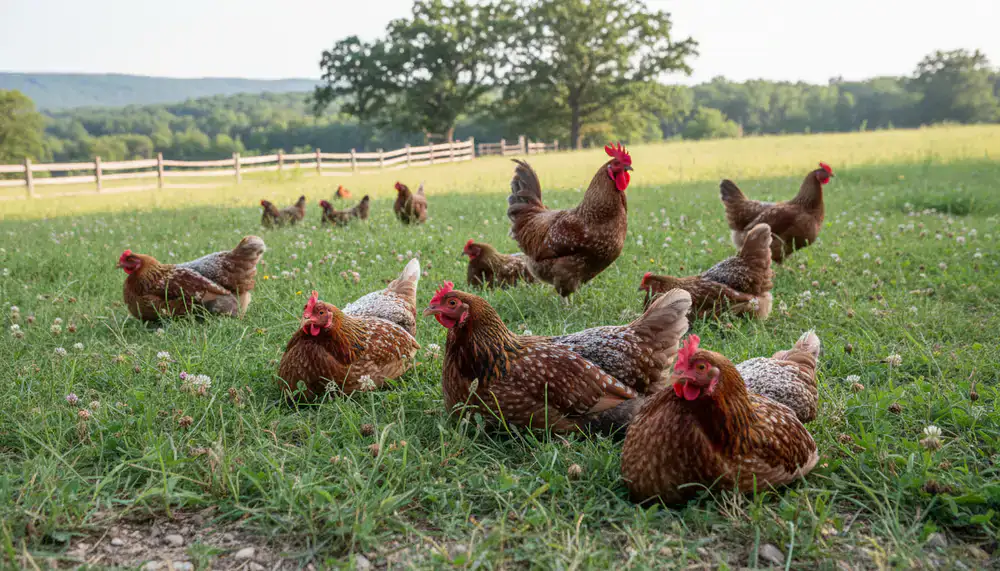
Speckled Sussex chickens resting in a pasture
Versatility

Dual-Purpose Fowl

For farms seeking a balance between egg collection and traditional farm products, dual-purpose breeds offer exceptional value. They grow steadily, maintain calm temperaments, and provide reliable returns year-round.

Sussex

A curious and friendly breed that forages beautifully. Excellent for both continuous egg laying and broad farm productivity.

Orpington

Heavy, deeply feathered birds that withstand cold climates effortlessly while providing steady, predictable growth.

Planning

How to Choose Your Breed

01

Assess Your Climate

Heavy breeds with small combs excel in cold weather, minimizing the risk of frostbite. Conversely, lighter breeds with larger combs dissipate heat better, making them ideal for long, warm summers.

02

Define Farm Goals

Determine if your primary objective is daily egg collection, specialized farm products, or breeding true-to-type genetics to supply local flocks in future generations.

03

Evaluate Available Space

Active foragers require large, open pastures to thrive and naturally reduce feed costs. Heavier, more docile birds are content in structured runs and smaller enclosures.

Preservation

Heritage Genetics

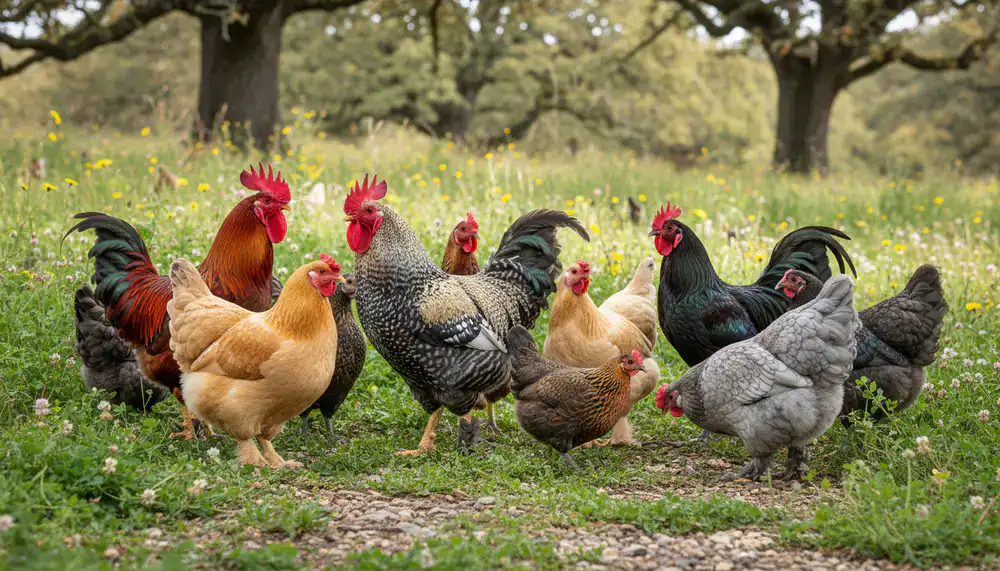
Protecting historical poultry lineages ensures long-term genetic diversity. These rare breeds often possess unique natural immunities, distinct physical characteristics, and remarkable foraging instincts that have been lost in commercial lines.

A colorful flock of rare heritage chicken breeds
FAQ

Popular Questions

Which breed is best for beginners?

Brown layers and dual-purpose breeds like the Sussex are generally docile, hardy, and easy to manage, making them excellent choices for those new to poultry farming.

How much space do active foragers need?

Active breeds like the White Leghorn require ample outdoor space to forage effectively. A large, secure pasture is ideal to keep them healthy and reduce feed costs.

Ready to Expand Your Knowledge?

Access our collection of practical breed guides, feeding schedules, and comprehensive breeding manuals in the resource portal.